When someone breaks your trust and then just... moves on, it feels unfair, and you start wondering if they'll ever actually pay for it.
Here's the thing: they usually do, just not the way you'd expect. This article breaks down what's actually happening beneath the surface when a cheater seems fine at first but slowly starts unraveling, and why that unraveling takes so much longer than anyone wants to admit.
Quick Answer
Karma for cheaters isn't usually a lightning-bolt moment. It's a slow build of guilt, chronic stress, and eroded trust that compounds over years. Psychologically, this happens because cognitive dissonance lets people suppress guilt short-term, but suppressed guilt doesn't disappear. It resurfaces later as anxiety, health problems, or repeating patterns in new relationships.
What People Mean by Delayed Karma
When people talk about delayed karma, they're describing a specific pattern: someone cheats, seems to get away with it, and then years later their life starts falling apart in ways that feel connected to what they did. A relationship collapses. Their health takes a hit. They can't seem to trust anyone or be trusted themselves.
It's a satisfying idea, and honestly, there's real substance behind it. But it's worth separating what's spiritual belief from what's actually documented psychology, because both explanations are doing different work.
The Spiritual Karma of Cheating
In Hindu and Buddhist philosophy, karma is the law of cause and effect — every action creates a corresponding reaction, sometimes in this lifetime, sometimes beyond it. Applied to cheating, this framework suggests that betrayal creates a kind of debt that eventually has to be settled, whether through lost relationships, misfortune, or internal suffering.
This belief brings comfort to a lot of people, and that's valid. Karma for cheaters doesn't need to be scientifically proven to matter to someone healing from betrayal. But if you want to understand why it actually happens, psychology offers a more concrete answer.
Why the Fallout Doesn't Show Up Right Away
If karma were instant, cheaters would fall apart the moment they got caught. They don't. There's a real reason for the lag, and it comes down to how the mind protects itself from guilt.
Cognitive Dissonance Buys Them Time
Cognitive dissonance is the discomfort we feel when our actions clash with our self-image. Most people don't see themselves as "bad." So when someone cheats, their mind gets to work rationalizing it: the relationship was already broken, I deserved something better, everyone makes mistakes.
These justifications aren't conscious lies. They're a defense mechanism, and they're often strong enough to hold guilt at bay for months or even years. That's part of why a cheater can look completely unbothered right after an affair. The dissonance is doing its job.
The Body Keeps Score, Even When the Mind Moves On
Here's where it gets interesting. Even when someone successfully rationalizes their behavior, their nervous system doesn't always cooperate. Chronic guilt and the stress of maintaining a lie are linked to real physiological wear — elevated cortisol, disrupted sleep, weakened immune response, and higher cardiovascular risk over time.
You can talk yourself out of guilt. You can't always talk your body out of the stress response that guilt triggers. That mismatch is often where the "delayed" part of delayed karma actually lives.
The Timeline — What "Falling Apart" Actually Looks Like
There's no fixed schedule here, but a pattern does tend to show up across cases people describe and what research on infidelity and guilt suggests.
The First Year — Numbness and Justification
Right after the affair, especially if it wasn't discovered, most cheaters are running on justification. They minimize what happened, avoid thinking about it too deeply, and often throw themselves into the new relationship or their normal routine to keep from sitting with it.
Years 2–5 — Cracks in New Relationships
This is often when things start slipping. If the cheater moved into a new relationship, old patterns tend to resurface — jealousy, controlling behavior, or paranoia that their new partner will do to them what they did to someone else. Trust, ironically, becomes their biggest struggle.
5+ Years Later — The Slow Unraveling
By this point, if guilt was never processed, it often shows up as chronic anxiety, depression, or a nagging sense of emptiness that people struggle to explain. Some describe feeling like nothing "sticks" — jobs, relationships, friendships all seem to slip through their hands the same way trust once did.
Hysterical Bonding After Cheating — Where It Fits Into the Pattern
If the affair was discovered rather than hidden, there's a common but lesser-known phase that can happen early on: hysterical bonding. This is when the betrayed partner becomes intensely, almost desperately attached to the cheating partner right after discovery, often through increased physical closeness or need for reassurance.
Signs of Hysterical Bonding After Cheating
● Wanting constant physical closeness or sex with the partner who cheated
● Feeling an intense urge to "win back" the relationship immediately
● Difficulty being apart, even briefly
● Using intimacy as a way to feel reassured rather than actual reconnection
What Comes After Hysterical Bonding
This phase usually doesn't last. Once the initial shock wears off, the reality of the betrayal tends to resurface, often harder than before. Many people move from hysterical bonding into anger, grief, or a clearer decision about whether to stay or leave. It's a normal part of trauma response, not a sign that something is wrong with you.
How to Stop Hysterical Bonding After Cheating
● Give yourself space before making big decisions about the relationship
● Talk to a therapist who understands betrayal trauma, not just general couples counseling
● Notice when intimacy is coming from anxiety rather than genuine connection
● Set a pace for physical closeness that feels intentional, not reactive
The Real Reasons Cheaters Fall Apart Later (Not Mysticism)
Belief-Based Explanation | Psychology-Based Explanation |
The universe balances the scales | Chronic stress from suppressed guilt affects physical and mental health |
Bad actions create bad future outcomes | Cognitive dissonance delays guilt, but it resurfaces later |
Cheaters are "cursed" to repeat mistakes | Unresolved guilt often shows up as trust issues in future relationships |
Karma always finds a way | Broken trust erodes their own ability to trust others, creating isolation |
Does Karma Punish Cheaters, or Is It Something Else?
It's less punishment and more consequence. Nobody is sending misfortune their way. Instead, the same patterns that made cheating possible — avoidance, dishonesty, difficulty with intimacy — tend to keep showing up in their life until they're actually addressed.
Real Cheating Karma Stories — What People Actually Report
Across forums and personal accounts, a few patterns come up again and again. People often describe an ex who cheated eventually getting cheated on themselves, sometimes years later. Others talk about a cheating partner who couldn't hold down a stable relationship afterward, cycling through partners without ever settling. Some describe watching someone who seemed fine on the surface quietly struggle with anxiety or isolation that friends and family never quite understood.
These aren't scientific proof of cosmic justice. But they line up closely with what psychology predicts: unresolved guilt and broken trust tend to replay themselves until someone actually deals with the root cause.
Signs Someone Is Experiencing This Delayed Reckoning
● Repeating the same relationship patterns despite "starting fresh"
● Unexplained anxiety, insomnia, or health issues years after the affair
● Struggling to trust new partners, even without a clear reason
● Avoiding accountability conversations or getting defensive when the past comes up
● A pattern of short, unstable relationships
"But They Seem Perfectly Fine" — Does Karma Always Catch Up?
Honestly, not always in a visible way. Some people are genuinely skilled at compartmentalizing, and you may never see the internal cost they're paying. This doesn't mean nothing is happening. It means you might not be the one who gets to witness it, and that's okay.
Waiting for someone else's downfall to feel better about your own pain usually backfires. Their timeline is theirs. Yours doesn't have to depend on it.
What This Means If You're the One Who Was Cheated On
If you're reading this because you were the one betrayed, here's the honest answer: focusing on their consequences won't heal you. What actually helps is processing your own grief, rebuilding your sense of trust at your own pace, and — if it's available to you — working with a therapist who specializes in betrayal trauma.
Their guilt, whenever it shows up, is theirs to carry. Your healing doesn't need to wait for it.
Frequently Asked Questions
What karma happens to cheaters?
Most cheaters experience delayed emotional consequences like chronic guilt, anxiety, or repeating trust issues in future relationships, rather than one dramatic event.
Do cheaters feel guilty years later?
Many do, especially if the guilt was suppressed rather than processed. It often resurfaces as unexplained stress, anxiety, or difficulty maintaining stable relationships.
What does karma say about cheaters?
Spiritually, karma suggests that betrayal eventually creates a corresponding consequence for the person who caused harm, whether through lost relationships or personal suffering.
Do cheaters ever get their karma?
Often, yes, though it usually shows up internally through guilt and broken trust rather than an obvious external event you'd get to witness.
How long does it typically take for karma to catch up?
There's no fixed timeline. Some patterns show up within a year, while others take five years or more to fully surface.
Conclusion
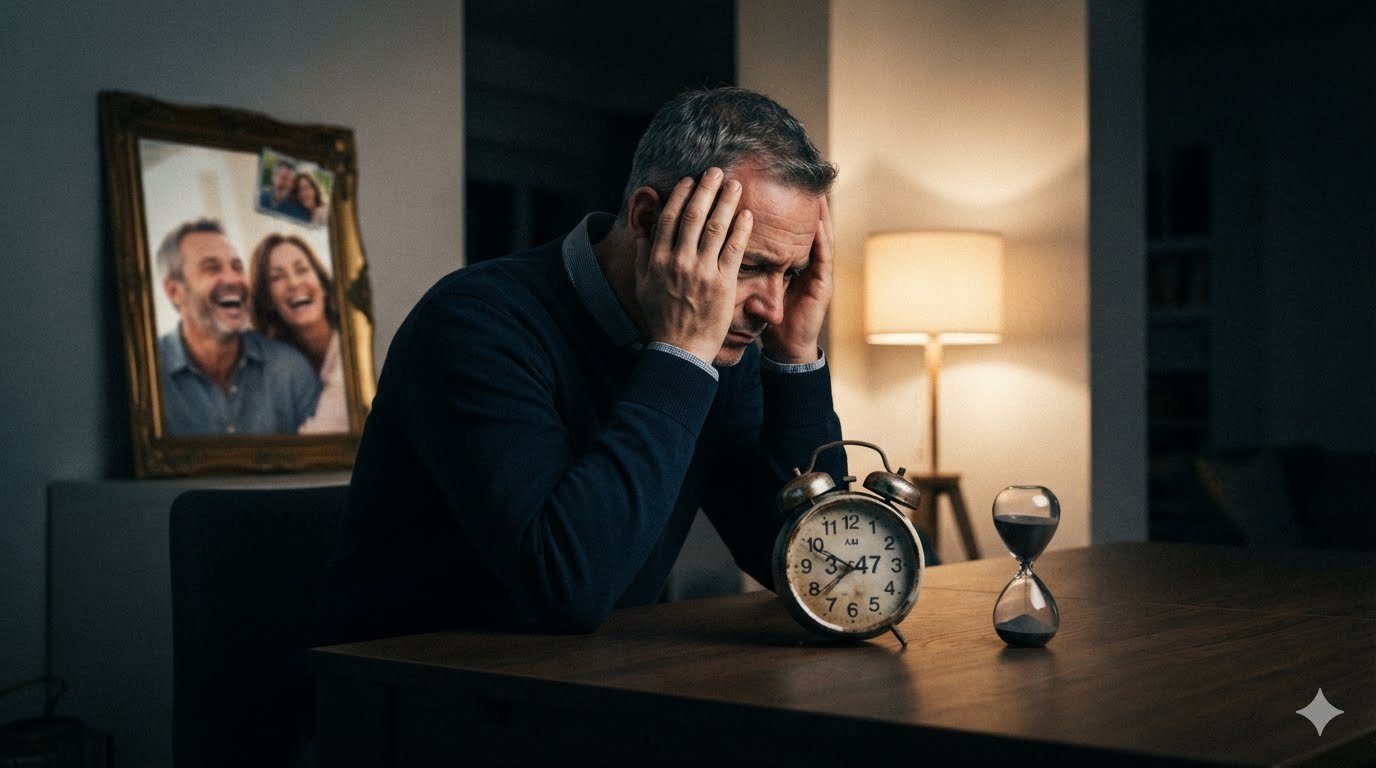
Delayed karma isn't magic, and it isn't always visible from the outside. It's the slow, very human cost of unresolved guilt, broken trust, and patterns that keep repeating until someone actually faces them. Whether you believe in cosmic justice or just plain psychology, the pattern holds up more often than not.
.jpeg)
.jpeg)
.jpeg)
0 Comments